Close your eyes for a moment and notice your own forehead. It’s probably tighter than you’d expect. A small crease between the brows, a clenched jaw, a dull pressure at the corners of your eyes. All day long the face quietly carries our concentration, our rush and every extra email. And in the evening we take that tension home without ever noticing it.
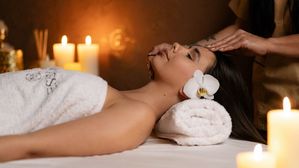
This is exactly where a face massage comes in. A few dozen minutes of gentle, targeted touch can dissolve tension that has been held in the tiny facial muscles for hours. It also wakes up circulation in the skin and brightens a tired expression. It’s not magic and it isn’t a medical procedure. It’s care that leaves you looking and feeling more rested. Let’s look at what it actually brings to your face and your overall wellbeing.
Quick answer
A face massage releases tight facial muscles around the eyes, forehead and jaw. It supports circulation, gives the complexion a fresher look and eases tension that spreads up into the head. And it is deeply calming.
It’s relaxing care for how you feel and look, not a treatment. For any skin or medical concern, see a dermatologist or doctor.
In this article
What actually happens in the face
The face has more than forty small muscles of expression, and we use them non-stop from morning to night. Frowning at the monitor, squinting into the light, clenching the jaw in concentration. Unlike the muscles of the back, though, we barely notice them until they speak up as pressure behind the eyes or a heaviness in the cheeks. A massage gently “switches” them back into calm. And none of what happens is mysterious:
- It releases tight muscles of expression. Light circular strokes loosen the forehead, temples, bridge of the nose and jaw. These are the places where stress settles first and leaves most reluctantly.
- It wakes up circulation in the thin facial skin. The warmth of the hands and gentle pressure bring more blood to the skin, so within a few minutes it looks rosier and more alive.
- It calms the nervous system. The face is densely woven with nerve endings. Slow touch around the eyes and forehead triggers the same settling as a long, deep exhale.
- It helps you “de-puff”. Gentle strokes towards the lymph nodes support the drainage of fluid that likes to gather overnight, especially around the eyelids and cheekbones.
What it does for your skin and your expression
The most visible reward arrives straight away. Well-circulated skin takes on a healthier, warmer tone, puffiness around the eyes settles, and the whole expression seems to “sit” more softly. Features relax and the gaze brightens. It’s not make-up or a filter, just a body that has finally had the chance to let go. That fresh look usually lasts the rest of the day and pairs beautifully with a head massage, which is often done in the same session.
- Fresher, brighter skin. Better circulation gives the complexion a natural glow and a rested look, without any harsh products.
- A relaxed, softer expression. When the forehead and jaw let go, that “tired” impression that tension writes into the face fades too.
- A pleasant feeling of lightness. The morning heaviness around the eyes and in the cheeks eases, and the face looks more rested.
But let’s be honest. A face massage is not wrinkle-smoothing and it’s no substitute for dermatological care. It brightens and releases, but it doesn’t paint over time. And that’s exactly what makes it lovely. It’s a moment of genuine relief.

When tension in the face climbs into the head
Have you ever noticed that a headache at the end of a long day often starts right here? In a clenched jaw, a tight forehead and the temples. The muscles of expression and chewing are directly connected to the muscles of the head. When the face lets go, the crown above it usually gets relief too. Plenty of people describe how, after a massage of the forehead and temples, a pressure they’d carried all week simply “dropped away”.
Don’t expect it to do the work of medicine, though. This is relaxation and relief from muscular tension, not a treatment. If recurring tension in this area troubles you, it can be a lovely part of your self-care. We go into more detail in Massage for headache relief and The benefits of a head massage.
Who a face massage is made for
It’s mostly appreciated by anyone who spends their days at screens, in concentration or under stress. The tension then gathers around the eyes and in the jaw. It also suits people who clench their teeth at night, wear glasses, or simply want to switch off completely for a while. If you’re still weighing up which massage is right for you, our guide Which massage is right for me will help.
At ESCAPE, gentle care for the face is a natural part of our Tranquility Ritual, which combines a full-body massage with skin care. So you don’t have to book “just the face”. You get it as part of a larger, more complete release. You’ll find an overview of all our massages here.
How often to go and what (not) to believe
There’s no compulsory frequency. Once a month as part of a relaxing massage is a lovely rhythm. During a demanding period, more often is fine. Listen to yourself rather than the calendar. A face massage is a reward, not a chore.
- Mention sensitive skin or skin concerns. Pressure and technique can then be adjusted to suit you.
- Don’t treat it as an “anti-aging procedure”. The fresh look is real and pleasant, but let promises of vanishing wrinkles rest. What massage really can do is summed up in The benefits of massage.
- Try it in combination. With a head, neck or back massage, the face makes a perfect whole. For ideas on where to start, see the guide Types of massage.
- you have active skin problems such as acne, eczema or irritation: see a dermatologist first,
- you get frequent, severe or unusual headaches: those belong with a doctor, not on the massage table.
Key takeaways
- A face massage releases facial tension around the eyes, forehead and jaw, where stress lingers most stubbornly.
- It boosts circulation and brightens the skin and softens a tired expression within minutes.
- When the face lets go, it often eases tension in the head too.
- It’s relaxing care, not a treatment. It won’t smooth wrinkles or replace a dermatologist.
- With us, care for the face and skin is part of the Tranquility Ritual.
A moment of care for your skin and body
The Tranquility Ritual combines a full-body massage with skin care and aromatherapy. You leave rested from head to toe.
Free cancellation up to 24 h aheadpay at the salon
About the Tranquility Ritual